The Ultimate Guide to Building a Pest Control Referral Program in 2025
Did you know? 31% of pest control firms plan to adopt marketing automation by 2028, enabling more efficient referral tracking and data-driven insights.
Pest control services are experiencing one common issue: they are spending money on paid ads and still not getting visibility and customers.
Paid socials such as Instagram and other social media attract clients, but at a huge cost. At the same time, referring friends during non-marketing calls, chats, or links is budget-friendly and increases visibility.
You need a pest control referral program to attract clients through a recurring automated marketing platform. To receive recurring automated marketing, you give rewards.
How to Create a High-Converting Pest Control Referral Program
In 2025, pest control companies are shifting towards trust-driven growth over paid ad campaigns. A pest control referral program serves as an exceptional service for client retention and a crucial tool for attracting new customers.
In this guide, you will learn how to refer a friend, how the referral program works, what common pest issues are, and why referrals are needed. It also shows how referral rewards and other offers encourage homeowners to refer family, friends, and neighbors.
Quick Insights
- A successful referral program turns each happy client into a lead generation system.
- Automation helps you reward instantly and does not let you miss any opportunity.
- With MyClientBase, scale and book more referrals with minimal effort.
The Common Pest Marketing Challenges Companies Face in 2025
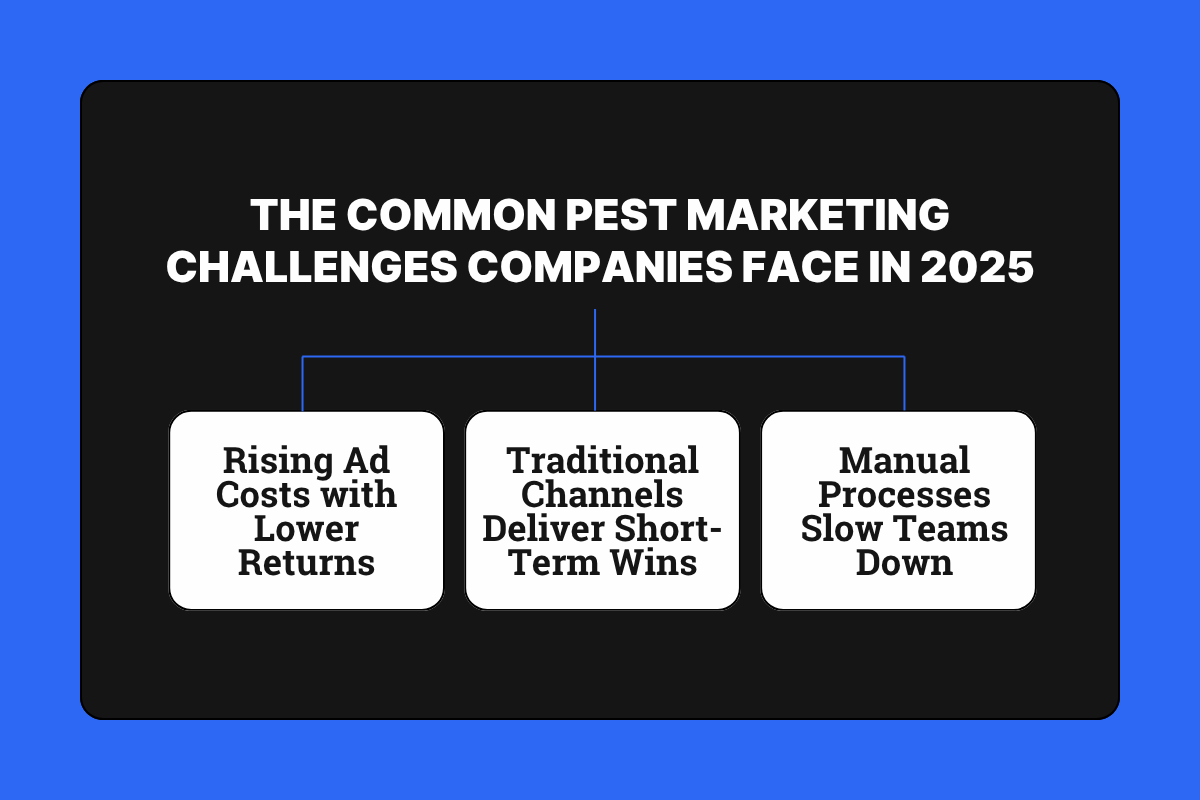
Most pest businesses still follow old-school marketing practices, such as spreadsheets and flyers, which cost too much and don't deliver the ROI or profit margins they promise. Let us walk through some challenges:
1. Rising Ad Costs with Lower Returns
Pest control marketing is costly at today's data rates. Paid ads on Google or social media platforms fill the expenses but limit the visibility. You pay higher bids, but the results are low visibility and leads.
2. Traditional Channels Deliver Short-Term Wins
Flyers or print media require a lot of money and effort; they grab client attention, but for a shorter period of time, and provide inconsistent leads. Once the marketing campaign ends, demand for recurring service is paused.
3. Manual Processes Slow Teams Down
Many pest companies still use manual lead tracking and follow-up. Pest professionals stay busy focusing on the schedules of current customers and the services they demand, rather than shifting to a digital system for a quick, consistent workflow.
What Is a Pest Control Referral Program and Who Needs It?
A successful referral program helps you attract new customers by leveraging existing customers' accounts and sharing company details via contacts, prerecorded messages, forms, etc. It also rewards clients for their commitment to sending referrals.
Who benefits most by referring a friend, family, or anyone:
- Small and mid-sized pest firms: Referral program helps small firms to refer a friend and scale profitably in the pest control service industry.
- Contractors: General contractors can track and reduce the manual effort required to generate leads for recurring pest services or even first-time services.
Why Referral Programs Drive Growth in Pest Control Businesses?
I. From Word-of-Mouth to Measurable Referral Marketing
Pest control services rely on reputation and marketing. What once worked with recommendation or word of mouth can now be done more effectively with referral systems. Modern referral program turns word of mouth into trackable referral leads.
II. Faster Conversions and Higher Lifetime Value
Faster conversions happen when you refer a friend, family member, or neighbor, as homeowners agree after they receive feedback or referral directly from a trusted source. These clients stay longer, as per customer information, referrals trust you automatically.
III. Lower Cost per Acquisition
Advertising and marketing costs rise while visibility and lead generation through traditional methods decline. Referral programs help you generate leads quickly with cost-effective techniques by submitting forms or sharing codes and msgs through phone, etc.
Take a look at Why Referral Programs Are the New Roofing Sales Team
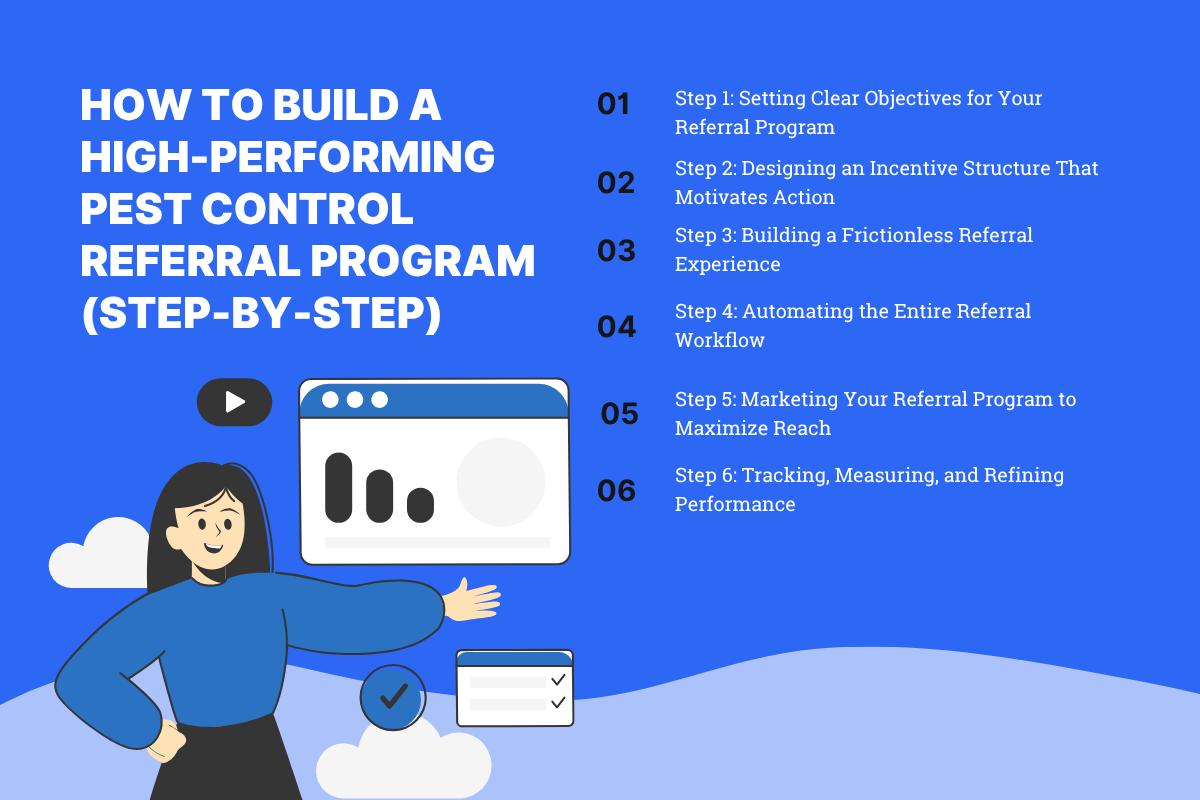
How to Build a High-Performing Pest Control Referral Program (Step-by-Step)
Step 1: Setting Clear Objectives for Your Referral Program
Define your end outcome: Start defining your goals, such as new customers, renewal contractors, or seasonal offers, etc, and work according to the goal.
Align it with your business: Set according to your business, such as residential, aiming for quick lead generation, or commercial business, aiming for long-term contracts.
Set KPIs: Track the conversion rate and referral rate to track performance.
Step 2: Designing an Incentive Structure That Motivates Action
Choose rewards that work well: Rewards that are helpful according to the client, such as tiered or loyalty rewards, cash discounts, and credit offers.
Try to balance out the cost and profit: Rewards must protect your profit and must be combined well with the client's needs.
Step 3: Building a Frictionless Referral Experience
Provide an easy sharing mode: Build easy lead generation ways, such as referral links, codes, thank-you texts, etc., where the client can act immediately.
Try to build trust: Show and track each client interaction, participation, and rewards, so everyone stays on loop and updated with the current progress of pest service.
Step 4: Automating the Entire Referral Workflow
Go for automating workflow: Manual methods are error-prone and consume time; with automation, it reduces human errors and saves time with precision and accuracy.
Choose automation features: Apply crm features to the program, such as instant reminders and updates, real-time collaboration, and tracking.
Step 5: Marketing Your Referral Program to Maximize Reach
Adapt the multichannel referral system: Promote your referral channel through websites, codes, scanners, signs, etc.
Choose referral invite along with client satisfaction: Try referral invitations inside client satisfaction surveys or review requests.
Step 6: Tracking, Measuring, and Refining Performance
Monitor KPIs: Monitor those set KPIs through live dashboards and watch where referrals work awesome.
Test, Learn, and Adjust: Test your program and update it with new rewards and seasonal offers to keep the lead generation consistent and clients happy.
Mistakes That Undermine the Referral Success of Your Business
| Common Mistake | Impact on Your Referral Program | Correction Strategy |
|---|---|---|
| Complicated Program Structure | Customers lose interest when rules feel unclear or time-consuming. | Keep it simple—one action, one reward. Automate participation and rewards. |
| No Technician Involvement | Missing high-intent leads at the end of service visits. | Train techs to mention referrals right after customer satisfaction moments. |
| Delayed Reward Fulfillment | Slow payouts reduce trust and future participation. | Automate instant rewards once the referred service is completed. |
| Manual Tracking (Spreadsheets) | Errors, missed referrals, and wasted admin hours. | Use a CRM or automated referral system for real-time tracking and notifications. |
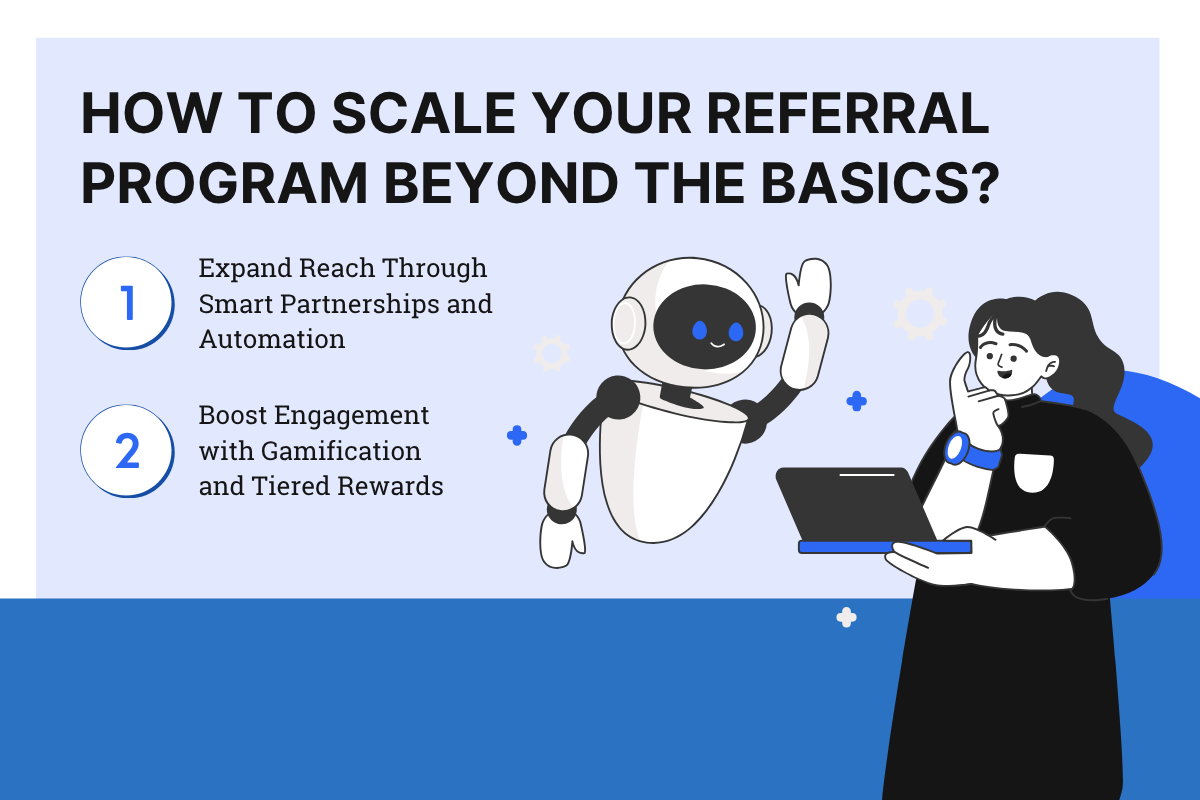
How to Scale Your Referral Program Beyond the Basics?
A. Expand Reach Through Smart Partnerships and Automation
Try to reach various industries, such as pest control services, and many local pest vendors, to expand the client acquisition areas and territories.
With a referral system, track referrals and approvals, and collaborate in real time with tools to keep everyone updated.
B. Boost Engagement with Gamification and Tiered Rewards
Referrals and clients require motivation to maintain steady momentum. Go for offers such as a discount coupon for every 5 referrals.
You can try tiered rewrads and gamified dashboards, which encourage current customers to refer more.
Here's Why Your Solar Company Needs a Referral Program in 2025
Introducing MyClientBase: Your Complete Referral Automation Platform
MyClientBase offers you an automated referral system that helps you roll referrals by inviting clients and entering customer information in the database. It helps your pest team to bring more referrals through real-time tracking and collaboration.
How MyClientBase brings referrals:
- One-Tap Referral Sharing: With one tap, you can easily refer your friends and neighbors through text, email, and more.
- Built-in Rewards System: You can set your own rewards according to referral offers and clients.
- In-app Communication: Clients can message you, ask queries, all in one place.
- Project tracker: Client can track every stage from site inspection to end conversion.
Conclusion: Build a Growth Loop That Never Stops
Referrals are more effective than traditional marketing and are among the most trusted tools in the pest industry.
Each satisfied client can bring in more customers by referring them, which can lead to higher profit margins.
With automation, you can generate more referrals in just a few clicks. You can increase client retention with no resources or time wasted. Referral programs like MyClientBase are the new lead generation tool.
Automate your pest control referral program with MyClientBase
Your best leads come from happy clients. Automation helps you attract new clients with ease.
Book a demo with MyClientBase to see how your referral game changes the scalability and credibility of your pest business.
FAQs
What is the normal referral rate?
In pest control, automation and technician engagement can increase that number further by turning every satisfied client into a recurring referral source through links and codes. Mostly it's around 10% to 30%.
What are the steps in the referral process?
You promote your system, enter referrals, set rewrads, and monitor the referral system.
How can I find referrals?
Ask your happy client and partner with local vendors to refer a friend. Also, apps like MyClientBase help you refer people with automation instantly.